


The dark spots that show up at the end of summer were not made by one bad beach day. Sun spots, the flat brown marks on cheekbones, temples, and the backs of hands, are years of accumulated UV surfacing at once, and a hot season outdoors is what brings them to the top. Japan has a word for them, shimi, and treats fading them as the central goal of a skincare routine. That focus built an entire regulated brightening category, the quasi-drug bihaku shelf, stocked with actives Western drugstores came to late: active vitamin C in a cheap drugstore essence, and tranexamic acid, a molecule Japanese researchers first developed as a medicine and Japanese dermatologists turned into the cleanest tool for stubborn pigment. Nothing sold over the counter erases a spot in a week. These fade the look of pigment over two to four months, and only if you block the fresh UV making new spots at the same time. These four picks are the buyable version of the Japanese approach: a drugstore vitamin C icon, the value tranexamic serum, a derm-grade option for spots that will not budge, and the daily sunscreen that makes all three work.
Melano CC Vitamin C Brightening Essence
Active vitamin C (ascorbic acid) + anti-inflammatory · 20 ml · ~$18 · quasi-drug
Melano CC is the spot essence that lives in Japanese bathrooms the way benzoyl peroxide lives in American ones. Rohto packs active vitamin C, pure ascorbic acid rather than a gentle derivative, into a 20 ml bottle that sells for pocket change at every Japanese drugstore. It is the default first move against shimi.
- Potent active vitamin C at a price that makes daily use painless, which is what fades pigment over time
- Works both directions: brightens the look of existing spots and interrupts the melanin that forms new ones
- A decades-old drugstore icon with a real track record
- The 20 ml bottle lasts months because a few drops covers the face
- Pure ascorbic acid oxidizes; it smells faintly of citrus and should be used within a few months of opening
- Potent vitamin C can sting sensitive or compromised skin; patch test and build up slowly
- Sold on US Amazon through Japanese importers, so price and stock move around and you should vet the seller
- Vitamin C fades slowly and prevents; it is not an eraser for a deep, set-in spot
The Japanese approach to spots favors cheap and consistent over strong and occasional, and Melano CC embodies it. Active vitamin C does two useful things at once: it interferes with tyrosinase, the enzyme that turns UV exposure into melanin, and it brightens the pigment already sitting in the skin. The tradeoff for using the pure, effective form of vitamin C is stability, so the bottle is small, the formula is fresh, and you finish it before it oxidizes. Use it at night, a few drops after cleansing and before moisturizer, and give it two to three months. If your spots are surface-level summer freckling, this alone often does the job. If they are older and darker, it becomes the base layer you add the next two picks to. On sourcing: there is no official Melano CC US store, so buy from a high-rating seller and treat a suspiciously cheap listing as a warning.
Naturium Tranexamic Topical Acid 5%
5% tranexamic acid + kojic acid + niacinamide + licorice · 1 oz · ~$20 · US-official
Most Western shoppers have never heard of tranexamic acid, a quietly effective brightening active that is Japanese by origin: developed there as a medicine in the 1960s, then adopted by Japanese dermatologists as the cleanest tool for melasma and stubborn sun pigment. Naturium puts it at a clinical 5%, stacks it with kojic acid, niacinamide, and licorice root, and sells it on a stable US listing for twenty dollars.
- Tranexamic acid addresses the pigment that hydroquinone and vitamin C often miss, including melasma, with no rebound when you stop
- A multi-active stack: kojic acid, niacinamide, and licorice attack tone from other angles in one bottle
- US-official listing, so stock is steadier and the counterfeit risk lower than with the imported Japanese options
- Layers cleanly over or under other steps and suits a whole-face brightening routine
- Slow by design; give it a full 12 weeks before deciding it is not working
- A four-active stack can irritate very sensitive skin; introduce it a few nights a week first
- It brightens the whole face and won't target one isolated mark
- Kojic acid can oxidize the formula to a deeper tan color over time, which is cosmetic, not a defect
Tranexamic acid works upstream of the others here. Vitamin C and arbutin slow the pigment factory; tranexamic acid calms the signal that tells skin to make pigment in the first place, which is why it is the active dermatologists reach for on melasma and heat-and-hormone-driven spots that resist other actives. It was invented in Japan as an antifibrinolytic drug, and Japanese cosmetic science turned that into a brightening staple long before Western brands followed. Naturium is the value way into it: a clinical 5% plus a supporting cast of kojic acid, niacinamide, and licorice, on a US-official listing. Use it once daily to start, build to twice, and pair it with sunscreen without fail, because tranexamic acid on sun-exposed skin is a stalemate. Give it twelve weeks before you judge it.
La Roche-Posay Mela B3 Dark Spot Serum
Melasyl + 10% niacinamide · 1 oz · ~$45 · US-official (La Roche-Posay)
Mela B3 is the escalation for a years-old spot the cheap actives have stalled on. It pairs 10% niacinamide with Melasyl, a pigment-targeting molecule La Roche-Posay's parent spent years developing, aimed at a stage of melanin formation most brighteners never touch. It is the pharmacy-counter option with the clinical backing to match its price.
- Melasyl is a new brightening molecule, unrelated to arbutin; it targets a precursor others leave alone
- 10% niacinamide backs it up on overall tone, redness, and barrier support
- A dermatologist-favorite brand with real clinical testing behind the claim
- Well tolerated, fragrance-conscious, and layers under sunscreen without pilling
- Around $45, roughly triple the Melano CC or Naturium bottle
- Still a serum, not a procedure; it works over weeks, and very deep dermal spots may need a dermatologist
- Overkill if a cheaper active is already fading your spots; escalate to it, do not start with it
- One ounce at this price makes it the pick you reserve for the spots that earn it
Most brightening serums crowd the same few actives, so a spot that ignores vitamin C usually ignores the next arbutin serum too. Mela B3 is worth its price because Melasyl works at a different point in the pigment pathway, targeting an early melanin precursor that the common actives never reach, which gives a stalled routine a new angle of attack. Pair that with 10% niacinamide for tone and barrier, and it becomes the serum to escalate to when a set-in spot will not lift. Don't buy all three of these at once. Start with the cheap vitamin C and the sunscreen, add the tranexamic serum if you want faster whole-face brightening, and bring in Mela B3 only for the stubborn holdouts. At that point you are paying for a mechanism the others do not have.
Biore UV Aqua Rich SPF 50
Broad Spectrum SPF 50 · water-resistant 80 min · weightless · US-official
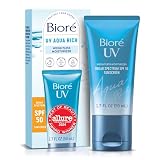
Skip this pick and the other three stall. Every brightening serum fades pigment at the front of the skin while fresh UV manufactures new pigment at the back, and without daily sunscreen that is a wash. Biore UV Aqua Rich is the US-official version of Japan's cult light-finish sunscreen, cheap enough and pleasant enough that wearing it daily is realistic.
- The single highest-impact step for fading spots; dermatologists rank daily SPF above any serum for pigment
- The Japanese light finish: absorbs invisible, no white cast on any skin tone, nothing like a heavy Western sunscreen
- Cheap enough to apply generously and daily, which is the only way sunscreen protects
- US-official listing sold through Kao's own storefront, which cuts the counterfeit risk
- Sunscreen prevents new spots; it does not fade old ones, so it is a partner to the serums, not a replacement
- Facial size at 1.7 oz; for long outdoor days you reapply and go through it faster
- The multiplier only multiplies if you wear it every day, cloudy ones included
Ask a dermatologist how to fade sun spots and the first answer is sunscreen, every day, forever. The logic is plain: pigment is the skin's response to UV, so treating spots while still collecting UV is running the tap with the drain open. Daily broad-spectrum SPF closes the drain, and it is the reason Japanese brightening routines treat sunscreen as the load-bearing step. Biore UV Aqua Rich is the version to keep on the shelf: the famous weightless Japanese finish, water-resistant for 80 minutes, sold through Kao's official US store. Wear it under whichever serums you chose above. It will not lighten a spot on its own, but nothing else on this list works without it.
The numbers.
| Melano CC | Naturium TXA | Mela B3 | Biore SPF | |
|---|---|---|---|---|
| Job | Fade + prevent spots | Brighten whole face | Stubborn set-in spots | Stop new spots |
| Active | Vitamin C | Tranexamic 5% + stack | Melasyl + niacinamide | SPF 50 |
| Sourcing | JP import | US-official | US-official | US-official |
| Result | 2-3 months | 8-12 weeks | 8-12 weeks | Prevents, ongoing |
| Price | ~$18 | ~$20 | ~$45 | ~$15 |
| Best for | Everyone, start here | Melasma, dullness | Holdout spots | Every routine, daily |
Other strong options.
Good Molecules Discoloration Correcting Serum
The budget way into tranexamic acid: 3% tranexamic plus 4% niacinamide for around $12, on a stable US listing. Less of a multi-active stack than Naturium and a touch gentler for it, which makes it the pick if the four-active Naturium formula is too much for reactive skin. It uses the same core mechanism for less money, and works slower but steadily.
View on Amazon →The Ordinary Alpha Arbutin 2% + HA
Alpha arbutin is hydroquinone's gentle cousin, a Japanese-staple brightening active at 2% for about $12. It is the mildest option here, worth it for sensitive skin that finds vitamin C or tranexamic acid irritating, or as a daytime layer under sunscreen. Slow and low-drama; pair it with the Biore SPF and give it time.
View on Amazon →Transino and Shiseido HAKU, the Japan-only tier
These two names come up in any Japanese conversation about shimi, and neither has a clean US listing. Transino is an oral tranexamic acid medicine sold over the counter only in Japanese pharmacies, the escalation Japan reaches for on melasma; you cannot reliably buy it in the US and should not gray-market a swallowed drug. Shiseido HAKU Melano Focus is the department-store brightening gold standard, but Shiseido pulled its US Amazon distribution, so it is brand-direct or a Japan souvenir now. They belong in the picture even though you cannot add them to a cart.
The buying guide.
Know what you are treating
Flat brown spots on sun-exposed areas, cheekbones, temples, hairline, hands, are solar lentigines, the classic sun spots these picks target best. Larger, blurry-edged patches that flare with heat or hormones are melasma, which responds to tranexamic acid and sunscreen but resists vitamin C alone and can rebound. Small scattered light-brown dots you have had since childhood are freckles, which are genetic and mostly cosmetic. If a mark is new, changing shape, or irregular in color, that is a dermatologist visit, not a serum.
Stack two actives, not four
The instinct with a stubborn spot is to pile on every brightener at once, which mostly buys irritation, and irritated skin makes more pigment. Keep it simple: one vitamin C or brightening serum at night, sunscreen every morning. If you want to run two actives, split them, vitamin C in the evening, a gentler layer like arbutin or niacinamide in the day, and leave a night between when you introduce anything new. Consistent use of a couple of actives fades spots faster than a pile of them.
Sunscreen is the active, not the accessory
Sunscreen separates routines that fade spots from routines that spin in place. Pigment is a UV response, so any brightening you do is erased by the next unprotected afternoon. Daily broad-spectrum SPF, reapplied when you are outdoors, is the highest-leverage anti-spot habit there is, ahead of any serum. If you only change one thing this summer, make it wearing the Biore every day rather than adding a fourth serum.
Give it twelve weeks, and judge with a photo
Every active here works on the skin's turnover cycle, so plan on two to four months, not two to four weeks. Skin looks the same day to day in the mirror, which is why people quit a working routine early. Take a well-lit photo of the spot at the start, same angle and lighting, and compare monthly. Steady, boring consistency is what fades pigment; chasing a faster result by layering more product usually sets you back.
When to skip all of this and see a dermatologist
Over-the-counter actives fade the look of surface pigment. They do not reach deep dermal spots, they will not fully clear severe melasma, and they are slower than in-office options. If spots are deep, widespread, or emotionally worth the cost to remove, a dermatologist has stronger tools: prescription tretinoin, hydroquinone under supervision, and treatments like chemical peels or targeted lasers. Think of this list as the effective, affordable first line, and a derm as the next step when it stalls.
FAQ.
Shimi is the Japanese word for the flat brown spots that sun exposure leaves over time, sun spots and age spots. Even, spot-free skin is the central goal of a mainstream Japanese skincare routine, so brightening is a whole regulated product category there, the bihaku or quasi-drug shelf. That focus is why Japanese drugstores stock effective anti-spot actives like active vitamin C and tranexamic acid at prices Western brands only recently matched.
Two things, and they are cheap: Melano CC and the Biore sunscreen. The vitamin C essence fades the look of existing spots and slows new ones, and the daily sunscreen stops fresh UV from undoing that work. That pairing is the entire Japanese approach in miniature. Add the Naturium tranexamic serum if you want faster whole-face brightening, and escalate to Mela B3 only for spots that will not lift.
Plan on two to four months of daily use before you see a clear difference, because these actives work on the skin's natural turnover rather than bleaching pigment away. Surface summer freckling can lighten faster; older, darker spots take longer and may not disappear completely without in-office treatment. Daily sunscreen shortens the timeline more than a stronger serum, because you stop making new pigment while fading the old.
For most people, yes. It is inexpensive, iconic, and effective, and the risk is stock and seller quality rather than the product itself. Buy from a high-rating seller, check that the packaging looks right, and treat a price far below the norm as a red flag. If you would rather avoid imports entirely, the Naturium tranexamic serum is US-official, in stock, and covers similar ground through a different active.
You can, but you rarely should. Running every brightening active at once mostly produces irritation, and irritated skin makes more pigment, which is the opposite of the goal. A vitamin C serum at night, a sunscreen every morning, and patience covers most people. Treat the tranexamic serum and Mela B3 as escalations you add one at a time, with space between, not a stack you start on day one.
Japan's icon: Melano CC.
Best value: Naturium Tranexamic 5%.
Derm-grade: La Roche-Posay Mela B3.
The multiplier: Biore UV Aqua Rich.
Fading sun spots is a solved problem, and Japan solved most of it at the drugstore. Start with the two cheap essentials: Melano CC to fade the look of pigment with active vitamin C, and Biore UV Aqua Rich every morning to stop new spots forming while you do. That pairing is the whole Japanese playbook, and for surface summer spots it is often enough. Add Naturium's tranexamic serum, the Japan-pioneered active, when you want faster whole-face brightening, and reserve the pricier Mela B3 for the holdout spots that ignore everything cheaper. None of it is fast, all of it depends on the sunscreen, and twelve weeks of consistency fades more pigment than any upgrade to a stronger bottle.